



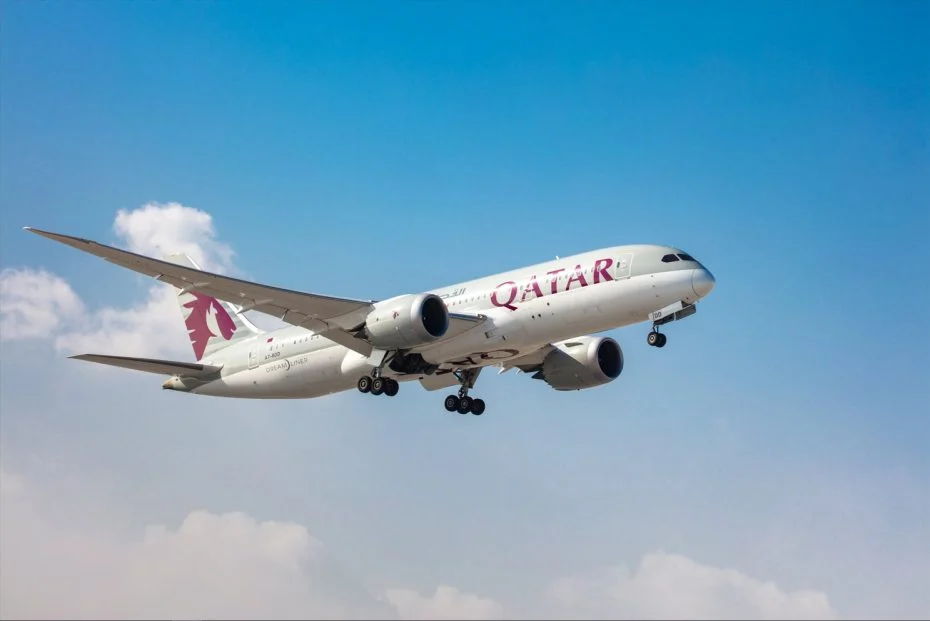
Qatar Airways Expands Global Network to More Than 170 Destinations for Winter 2026–27
Qatar Airways is expanding its global network for the 2026–27 winter season, with the airline set to operate services to more than 170 destinations worldwide as it strengthens connectivity through its Doha hub.
The expanded winter schedule includes more than 186 weekly flights across Africa, Asia-Pacific, Europe, the Americas and the Middle East, according to the airline. The expansion comes as Gulf aviation continues to rebuild and adjust international networks following disruptions earlier in 2026.
The latest schedule underlines the importance of Doha as an international transit hub connecting passengers between major markets across multiple continents.
Network Expansion Across Major Global Markets
Qatar Airways‘ winter schedule is designed to increase connectivity across a wide range of international markets.
The airline’s network spans Europe, Asia-Pacific, Africa, North and South America and the Middle East, allowing passengers to connect through Doha to destinations across its global network.
The expansion includes additional frequencies on selected routes, giving travellers more scheduling options during the winter travel period.
For Qatar, the continued development of international air connectivity is closely linked to the country’s broader ambitions in aviation, tourism, business and international trade.
More Flights to Key European Destinations
Europe remains an important part of Qatar Airways‘ global network.
Among the routes receiving additional capacity is London Heathrow, where Qatar Airways is increasing services to 56 flights per week, equivalent to eight flights per day.
Additional capacity on major European routes provides travellers with greater flexibility while also supporting connections between Europe, Asia, Africa and the Middle East through Doha.
The airline’s extensive European network is particularly important for business travellers, tourists and passengers connecting between Europe and Asia-Pacific markets.
Doha Strengthens Its Role as a Global Hub
The latest expansion also reinforces Doha’s role as a connecting hub for international aviation.
Qatar Airways uses Hamad International Airport as its primary hub, allowing passengers to connect between regions without requiring direct point-to-point services between every city.
This hub-and-spoke model enables the airline to connect markets that may not have sufficient demand for direct flights while providing passengers with access to a larger international network.
The continued expansion of routes and frequencies therefore has implications beyond individual destinations, supporting Doha’s position within the global aviation network.
Gulf Aviation Continues to Expand
Qatar Airways‘ network expansion comes amid broader changes across Gulf aviation.
Major carriers in the region, including Qatar Airways and Emirates, have been rebuilding and expanding services following disruptions earlier in the year.
Emirates reported in September that it was operating at around 93% of its pre-disruption capacity and had carried more than 8.6 million passengers during July and August. The airline also reported stronger winter bookings on several routes.
The developments indicate continued demand for international travel through Gulf hubs, although airlines remain responsive to changing operating conditions and market demand.
Travel Demand Remains Important
The latest expansion comes during a period when airlines are closely monitoring passenger demand and booking behaviour.
Emirates has reported that travellers are increasingly making their travel decisions closer to departure, while demand from markets including India, South Africa, Brazil and Egypt was tracking ahead of the previous year on some routes.
For Gulf carriers, this makes flexible scheduling and the ability to adjust capacity particularly important.
Qatar Airways’ expanded winter network provides additional capacity during a period traditionally associated with strong international travel between Europe, Asia, the Middle East and other regions.
India Remains an Important Market
India is particularly significant for Gulf aviation because of the large volume of business, tourism and family travel between India and the Gulf.
Doha provides a major connecting point for passengers travelling between Indian cities and destinations across Europe, North America, Africa and other parts of the Middle East.
For Indian travellers, expanded international connectivity through Gulf hubs can provide additional options for long-haul travel.
Qatar Airways’ broader network therefore remains relevant to India’s outbound tourism, business travel and international passenger flows.
Digital and Onboard Experience
The airline’s network expansion is also taking place alongside continued investment in the passenger experience.
Qatar Airways highlights services such as Starlink Wi-Fi, Qsuite and its Privilege Club frequent-flyer programme as part of its wider passenger offering. The airline’s official website currently promotes free Starlink connectivity on equipped aircraft, allowing passengers to stay connected during flights.
The growing role of connectivity reflects changing expectations among international travellers.
Passengers increasingly expect to be able to communicate, work, stream content and access online services while travelling, particularly on long-haul routes.
Technology Becomes More Important to Aviation
Airlines are increasingly using technology not only to improve the passenger experience but also to support operations.
Artificial intelligence, predictive analytics, digital booking systems and real-time travel information are becoming increasingly important across the aviation industry.
Qatar Airways is also promoting AI-related services through its digital platforms, including an AI assistant for customers using its website and mobile application.
These technologies can help airlines manage large international networks while giving passengers faster access to travel information.
Supporting Qatar’s Tourism Ambitions
A larger international air network also supports Qatar’s tourism strategy.
Direct connectivity to more cities can make it easier for international visitors to reach Doha and explore Qatar, while the country’s location allows the airline to connect passengers travelling onwards to other destinations.
Tourism, aviation and hospitality are increasingly interconnected components of Qatar’s economic development strategy.
For the country, a strong international airline can therefore serve not only as a transportation provider but also as an important part of its international tourism and business infrastructure.
Competition Among Gulf Airlines
The expansion also comes as Gulf airlines continue to compete for international passengers.
Dubai, Doha and Abu Dhabi have developed into major global aviation hubs, with airlines based in the region connecting passengers across Europe, Asia, Africa and the Americas.
Competition increasingly extends beyond the number of destinations.
Airlines are also competing on aircraft, premium cabins, lounges, connectivity, loyalty programmes, digital services and overall passenger experience.
Qatar Airways’ investment in network scale and onboard technology forms part of this wider competitive environment.
A More Connected Winter Schedule
For the 2026–27 winter season, Qatar Airways’ network expansion provides passengers with access to more than 170 destinations and more than 186 weekly flights across its global network.
The scale of the network demonstrates the continuing importance of Gulf aviation in international travel.
As airlines adapt to changing travel demand, operational conditions and passenger expectations, connectivity through Gulf hubs is expected to remain an important part of the global aviation system.
For Qatar Airways, the winter expansion represents another step in developing Doha as a major international connecting hub while supporting Qatar’s wider aviation, tourism and business ambitions.
With more destinations, additional frequencies and continued investment in digital and onboard services, the 2026–27 winter schedule positions Qatar Airways for another period of network growth and international connectivity.
#qatarairways #flights #expansion #modernbusinessgulf


